


Microbiological Testing
Microbiological Testing Microbiological testing comprises a set of scientific and laboratory-based methods used for the detection, enumeration, and evaluation of microorganisms in various materials and products. These microorganisms include bacteria, fungi, yeasts, viruses, and mycoplasma. The implementation of microbiological testing represents a fundamental pillar of quality control in the pharmaceutical, medical device, cosmetic, food, and controlled-environment industries.
The primary objective of microbiological testing is to ensure product safety and to prevent the transmission of microbial contamination to the end user. The results of microbiological testing indicate whether a product or manufacturing environment remains within acceptable microbial limits. Consequently, microbiological testing is recognized as a critical requirement within international regulatory frameworks and standards such as GMP, ISO 13485, ISO 11737, USP, and EP.
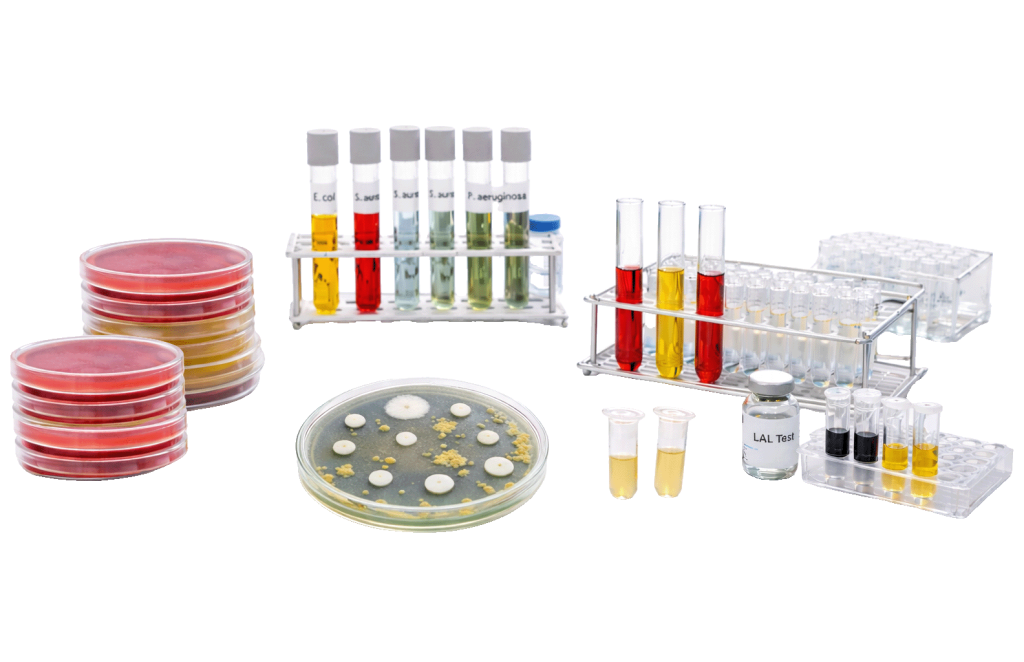
Classification of Microbiological Testing
Microbial Enumeration Tests
One of the most commonly performed forms of microbiological testing is microbial enumeration. Total Viable Count (TVC) testing is conducted to determine the overall microbial load of a sample. In this type of microbiological testing, the sample is appropriately prepared and inoculated onto standardized culture media. Following a defined incubation period, the number of developed colonies is counted and reported.
Microbial enumeration testing provides quantitative information regarding the level of microbial contamination and is widely used for assessing the quality of raw materials, in-process samples, finished products, and environmental monitoring programs. An excessive microbial load may indicate deficiencies in hygienic conditions, manufacturing processes, or packaging systems.
Specific Microbiological Testing
In many applications, total microbial enumeration alone is insufficient, and the identification of specific microorganisms becomes necessary. In such cases, specific microbiological testing is performed to detect the presence or absence of designated indicator or pathogenic microorganisms, including Escherichia coli, Staphylococcus aureus, Pseudomonas aeruginosa, and Candida albicans.
This category of microbiological testing is particularly critical for pharmaceutical products, sensitive raw materials, and non-sterile products, as the presence of certain microorganisms—even at low levels—can pose significant risks to consumer health.
Microbiological Testing for Antimicrobial Activity Assessment
Microbiological testing is not limited to contamination detection; it is also employed to evaluate the effectiveness of disinfectants and antimicrobial agents. The disk diffusion method is a widely used microbiological testing technique that assesses microbial susceptibility to antimicrobial substances by measuring zones of inhibition.
Additionally, Minimum Inhibitory Concentration (MIC) and Minimum Bactericidal Concentration (MBC) tests are specialized microbiological testing methods used to determine the lowest concentration of an antimicrobial agent capable of inhibiting or killing microorganisms. These tests are essential tools in quality control and formulation development studies.
Specialized Microbiological Tests
Certain microbiological tests are highly specialized in nature. Sterility testing is performed to verify the absence of viable microorganisms in sterile products. Bacterial endotoxin testing (LAL Test) is conducted to detect endotoxins derived from Gram-negative bacteria and constitutes a critical component of microbiological testing for medical devices and parenteral pharmaceutical products.
Furthermore, mycoplasma testing, using culture-based methods or polymerase chain reaction (PCR), is employed to detect concealed microbial contamination. Growth Promotion Testing is another integral part of microbiological testing, ensuring the suitability and performance of the culture media used.
Importance of Microbiological Testing
The importance of microbiological testing in ensuring consumer safety, controlling manufacturing quality, minimizing contamination risks, and achieving regulatory compliance is indisputable. Microbiological testing serves as a primary technical decision-making tool for product acceptance or rejection and plays a vital role in risk management and the protection of public health.
 Persian
  English
  Arabic